
Dubai Mega Project: Dubai Loop by The Boring Company and RTA
How the groundbreaking Dubai Loop infrastructure project is progressing and what it means for mobility and real estate
Dubai Loop: A Landmark Infrastructure Collaboration for Future Mobility
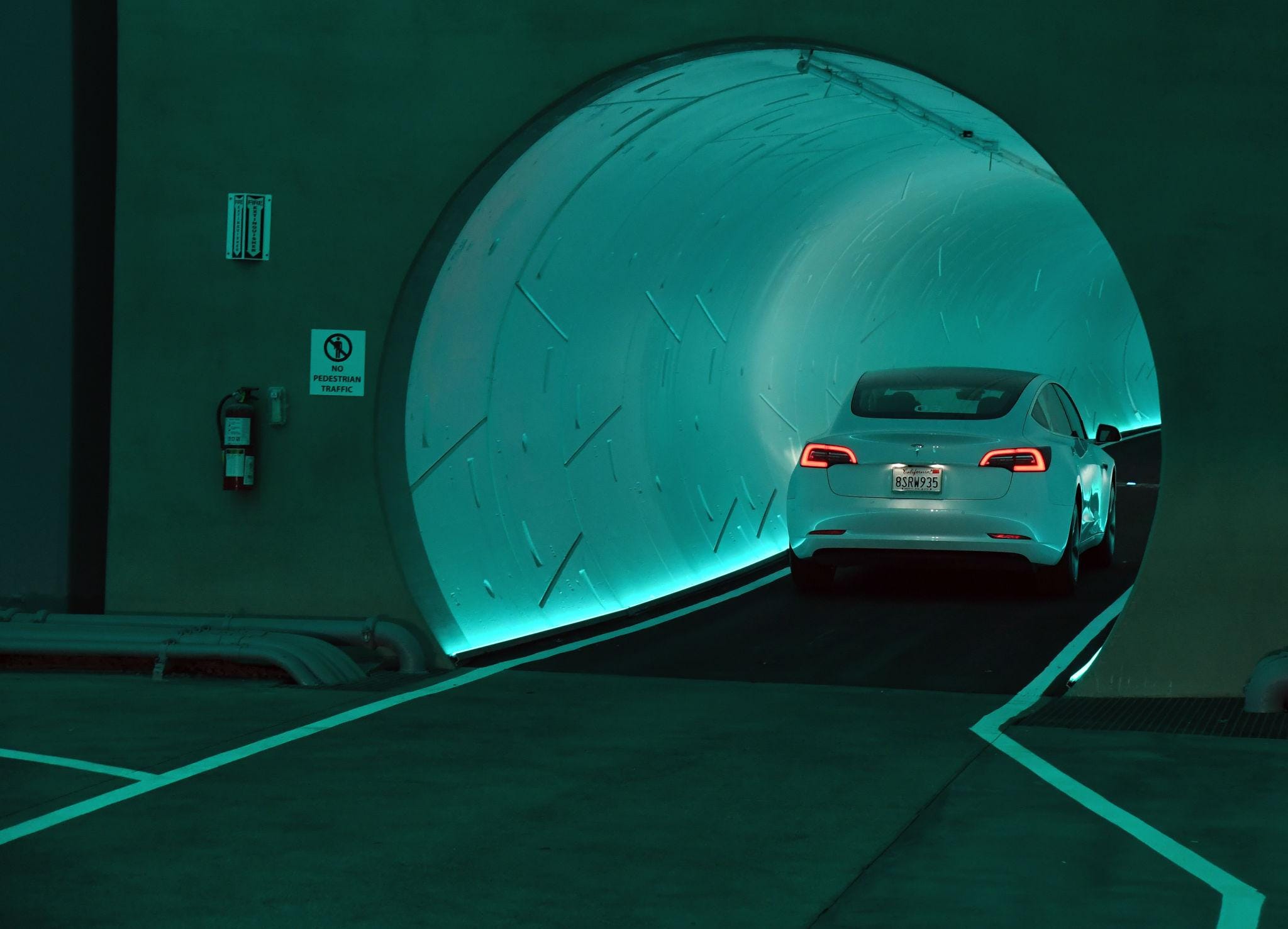
Dubai is moving forward with one of the most ambitious urban transport initiatives in the world. The Roads and Transport Authority of Dubai has signed a definitive agreement with The Boring Company to build the Dubai Loop, a high speed underground transit network designed to enhance connectivity across key districts in the city. This partnership was formalized during the World Governments Summit 2026.
The Dubai Loop marks the first major implementation of this transport model outside the United States. It reflects Dubai’s strategic focus on advanced mobility solutions that complement existing infrastructure such as the Dubai Metro and integrated road networks.
Project Progress and Construction Timeline
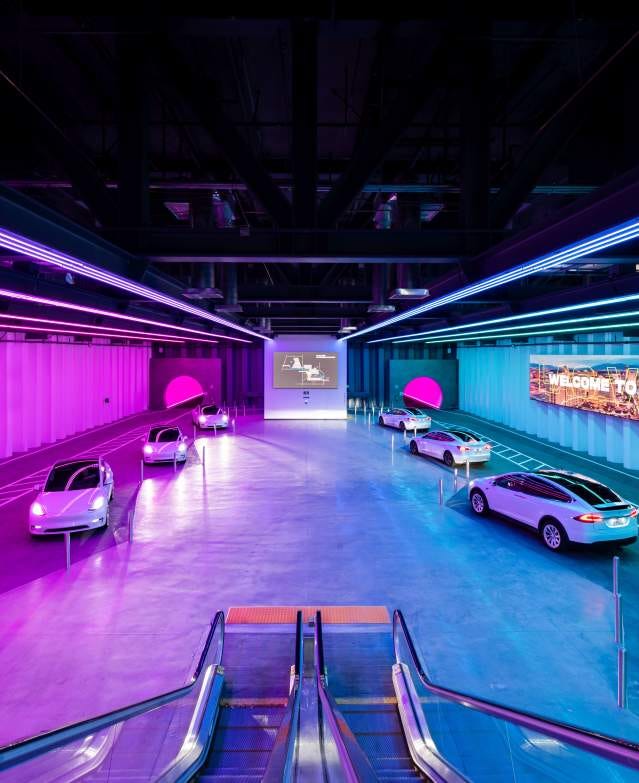
According to official statements from the RTA, preliminary design work and engineering approvals are underway and construction on the first phase of the Dubai Loop is expected to begin in early 2026. The pilot route will cover approximately 6.4 kilometres with four stations, linking the Dubai International Financial Centre with the Dubai Mall area.
This initial construction phase is expected to take about one year to complete following the conclusion of preparatory activities. It represents a significant step toward integrating underground transport into Dubai’s broader mobility ecosystem.
How the Dubai Loop Will Work
The Dubai Loop will use advanced tunnelling technology and a dedicated underground network to carry passengers quickly and efficiently beneath busy urban corridors. The system is designed for electric vehicles that can transport commuters between stations in minutes. Early reports suggest that the technology could reduce travel times dramatically between connected hubs.
In the future, the wider network is planned to expand up to about 22.2 kilometres with 19 stations, connecting key urban zones such as the Dubai World Trade Centre and Business Bay. The full network is expected to serve tens of thousands of passengers per day once completed.
Broader Implications for Urban Growth
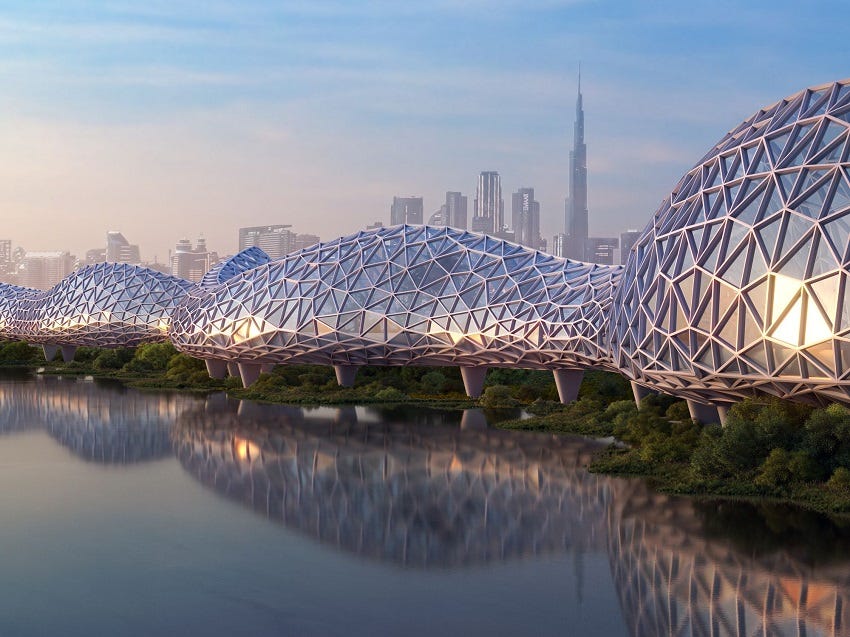
Large scale transport projects often shape urban real estate and mobility patterns. Enhanced connectivity between major business, residential, and tourism districts may support greater visibility and accessibility for property across the city.
Communities located near Loop stations could receive increased interest from residents and investors as travel efficiency improves. This aligns with Dubai’s long term strategy of integrating transport innovation with real estate development and urban planning.
Dubai’s approach to future mobility continues reinforcing the emirate’s reputation for adopting advanced technology in service of growth and sustainability.
For collaboration inquiries, visit our Work With Dubai Loop page.